
Over the next few years, virtual reality (VR) is set to redefine your online shopping experience in ways you may not have imagined possible. As technology advances, you will encounter surreal innovations that merge the physical and digital realms, creating immersive environments where you can browse, try on, and purchase products as if you were in a brick-and-mortar store. This blog post explores the groundbreaking developments that will shape the future of VR website shopping and how they can enhance your buying journey.
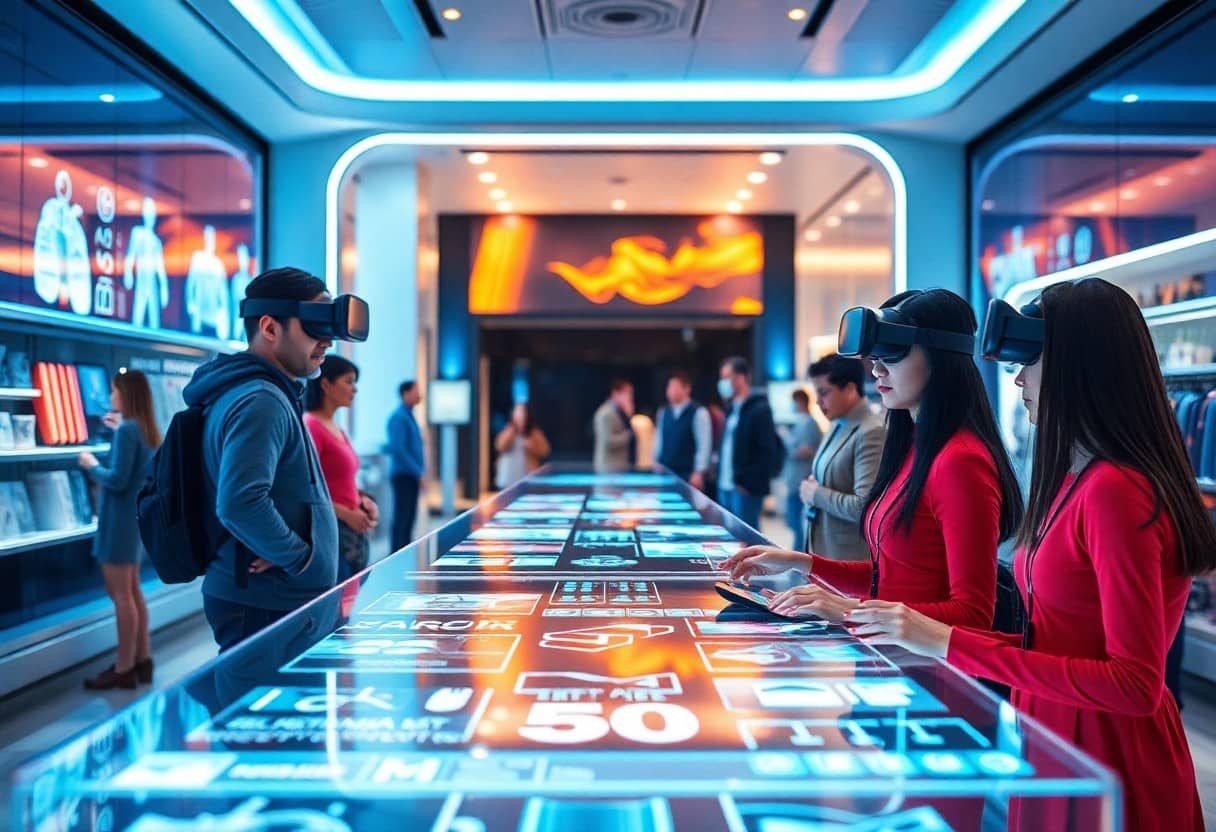
Immersive Interfaces: The New Reality of Browsing
As you step into the world of VR website shopping, immersive interfaces transform traditional browsing into an entirely interactive experience. Imagine walking through a virtual store where products are displayed in lifelike 3D, allowing you to inspect every detail before making a decision. These interfaces create a sense of presence that elevates online shopping, making it feel more like a social experience where you can browse and discover as if you were in a physical retail environment.
The Evolution of User Experience in VR
User experience has undergone a remarkable evolution with the advent of VR technology, taking the mundane act of shopping and infusing it with excitement and interactivity. In contrast to standard websites, VR enables you to navigate through environments that mirror real stores, with interactive elements that respond to your actions. Features like customizable avatars and personalized layouts enhance your engagement, making the experience more tailored and enjoyable.
How Haptic Feedback Elevates Shopping Engagement
Haptic feedback plays a significant role in increasing engagement during a VR shopping spree. This technology simulates touch sensations, allowing you to feel the texture of fabrics or the weight of products, creating a profound sense of realism. Each interaction becomes memorable as you experience tactile sensations associated with your potential purchases, making decisions easier and more enjoyable.
Utilizing haptic feedback effectively can directly influence purchase decisions, as it bridges the gap between digital and physical sensations. For instance, if you’re shopping for a jacket, feeling its texture through haptic technology can dramatically enhance your perception of quality and desirability. Research suggests that users are 30% more likely to complete a transaction when they receive tactile feedback, as it adds an element of trust and authenticity to the online shopping experience. By integrating haptic feedback into VR interfaces, retailers can craft a shopping experience that feels not just virtual, but profoundly real. This elevates consumer satisfaction and loyalty, paving the way for a future where online shopping takes on new dimensions of interactivity.
Virtual Try-Ons: Redefining Product Interaction
Your shopping experience is about to transform significantly with the advent of virtual try-ons. Imagine stepping into a digital fitting room where you can visualize products in real-time without the hassle of physical returns. By utilizing advanced VR technologies, brands will allow you to interact with products like never before. From clothing to accessories, the virtual try-on experience will provide a seamless way to explore fit, style, and color—making your decision-making process not just easier, but also more enjoyable. Curious about more innovations? Check out the Top 5 Virtual Reality Trends of 2025 — The Future of VR.
The Technologies Enabling Realistic Try-Ons
Augmented reality (AR) and artificial intelligence (AI) are at the forefront of powering realistic try-ons. These technologies create lifelike simulations of how products will look on you, allowing for customizable features. AR can superimpose clothing onto your live camera feed, while AI algorithms learn your preferences to offer tailor-made suggestions. As a result, you gain a more accurate representation of what you might look like, enhancing your online shopping experience.
The Impact of Augmented Reality on Decision Making
Augmented reality enhances your decision-making process by providing a tangible connection to products you’re considering. By virtually trying on an item, you can visualise how it will fit into your life, reducing the anxiety that often accompanies online purchases. Studies have shown that AR-driven shopping experiences can lead to higher confidence in purchase decisions, resulting in increased satisfaction and fewer returns.
Research indicates that AR not only informs your choices but also engages you on a deeper emotional level with the brand. Enhanced interaction with products through immersive visuals leads to a stronger connection than traditional online shopping methods. As you see how an outfit flows or how a piece of furniture aligns with your home decor through virtual try-ons, your impulse purchases may change; instead, you become a more deliberate shopper. This shift could notably decrease the return rates that plaguing e-commerce, fostering better relationships between you and retailers.
Personalization at Scale: AI-Driven Shopping Journeys
The future of online shopping is set to become incredibly personalized, thanks to advancements in AI technology. Utilizing algorithms that understand your preferences, behaviors, and shopping habits, websites will curate tailored experiences for you. From personalized product recommendations to customized layouts, the shopping journey will feel uniquely yours, creating a sense of connection and enhancing satisfaction as you navigate through virtual stores.
The Role of Machine Learning in Customizing Experiences
Machine learning plays a pivotal role in creating individualized shopping experiences. By analyzing vast amounts of data on your past interactions, preferences, and purchasing history, these systems can suggest products that resonate with your style and needs. This capability not only saves you time but also makes the shopping process more enjoyable as you discover items aligned with your tastes.
Predictive Analytics: Anticipating Consumer Needs
Predictive analytics takes personalization a step further by enabling websites to anticipate your needs before you even realize them. By harnessing historical data and consumer trends, these systems can forecast what you might be interested in next, driving personalized promotions and customized inventory suggestions directly to you.
As predictive analytics evolves, its impact on shopping becomes more significant. Imagine browsing a VR store and encountering items that you didn’t even know you wanted, such as seasonal fashion based on your previous purchases or new gadgets aligned with your hobbies. In 2022, retailers employing predictive analytics reported a 10% increase in sales and a dramatic 20% decrease in abandoned carts. These statistics underscore the potential of AI systems in enhancing customer experiences, ultimately leading to higher conversions and long-lasting consumer loyalty. Anticipating consumer demands creates a seamless and engaging shopping environment, ensuring that every visit feels tailored to your individual desires.
The Social Shopping Experience: Bringing Friends Along
As you immerse yourself in VR shopping platforms, the ability to invite friends and family into your digital space will transform your experience. Engaging with your loved ones in shared environments enhances excitement and offers diverse perspectives, creating a more enjoyable and informed shopping journey. Whether searching for the perfect outfit or exploring unique gifts, the presence of others amplifies the thrill of discovery and decision-making.
Virtual Communities and Shared Experiences in VR
Within the vast landscape of VR, virtual communities are emerging as key players in the shopping experience. You can join avatars representing friends and fellow shoppers in shared environments, where brand interactions become more engaging and collaborative. Experience pop-up shops, seasonal events, or group buy-ins that weave social interactions into your shopping ventures, ultimately fostering connections that mimic real-life camaraderie.
How Social Interactions Influence Buyer Behavior
Interactions with peers can significantly shift your purchasing decisions in VR. When you collaborate with friends, their opinions and experiences can sway your choices, creating a sense of accountability. Research shows that 72% of consumers are more likely to buy a product after discussing it with friends, highlighting the influence of social proof on buyer behavior. In VR settings, real-time feedback fosters trust and encourages exploration, ensuring you maximize your shopping potential while keeping your social circle involved.
Engaging in conversations while shopping in VR provides instant validation and encourages more thoughtful purchasing. You’re likely to seek opinions on style, fit, and functionality while enjoying your shared experience. This dynamic affects what you deem worthy of purchase. Ultimately, the immersive nature of VR eliminates the feeling of shopping alone, as you tap into diverse viewpoints and opinions to make more informed decisions, ensuring that the final purchase aligns with the expectations of both you and your friends.
Payment Innovations: The Future of Transactions in VR
Transforming the online shopping experience in virtual reality requires groundbreaking payment innovations that blend security and convenience. You’ll find that integrating advanced payment solutions significantly enhances the immersive experience, creating a more engaging interaction with products you’re considering. Options such as voice command payments and gesture-based confirmations will streamline transactions and make the buying process as enjoyable as your VR digital adventures.
Cryptocurrency and Blockchain’s Role in Secure Payments
Cryptocurrency and blockchain technology pave the way for secure and instant transactions in VR shopping. By utilizing decentralized ledgers, you can trust that your payment details remain safe and private. This innovative approach not only reduces transaction fees but can also speed up payment processing times. As more retailers adopt crypto, you’ll have access to a wider range of payment options that cater to your preferences.
Seamless Checkout Processes to Boost Conversion Rates
A seamless checkout process is vital in maximizing your purchasing potential in VR environments. Shortening the buyer’s journey can significantly improve conversion rates. With features such as one-click payments and autofill capabilities, the checkout experience can become nearly effortless. Imagine selecting items, quickly confirming your purchase with a simple gesture, and receiving instant feedback on shipping times—all within the VR context you find engaging and enjoyable.
When designing a seamless checkout experience, incorporating intuitive interfaces and minimizing the number of steps between selection and completion is vital. For instance, offering customizable payment options can lead to reduced cart abandonment. Data shows that online retailers with streamlined checkout processes see conversions increase by up to 30%. By implementing real-time feedback and confirmations during the transaction process, you can further enhance your shopping experience, ensuring that your time in the virtual marketplace feels both efficient and rewarding.
Conclusion
Presently, you stand on the brink of a transformative era in VR website shopping, where advancements such as immersive experiences, personalized interfaces, and AI-driven recommendations are set to redefine your online purchasing journey. As these innovations unfold, they will enable you to explore products in unprecedented ways, bringing the store to you like never before. Embracing these changes will not only enhance your shopping efficiency but also create a more engaging environment, ultimately enriching your consumer experience in the ever-evolving digital landscape.
FAQ
Q: What role will artificial intelligence play in enhancing VR website shopping experiences?
A: Artificial intelligence will play a significant role in personalizing and enhancing VR shopping experiences. AI algorithms can analyze user behavior, preferences, and past interactions to curate tailored shopping environments. For example, if a shopper frequently purchases outdoor gear, the VR platform may present a virtual storefront filled with tailored suggestions for camping equipment and apparel, creating a more engaging and relevant shopping experience. Furthermore, AI can assist in creating virtual assistants that guide customers through the shopping journey, providing real-time support and recommendations based on individual needs and preferences.
Q: How will advancements in haptic technology impact virtual reality website shopping?
A: Advancements in haptic technology will significantly transform how consumers interact with products in virtual reality. Haptic feedback allows users to ‘feel’ the texture, weight, and dimensions of items they are viewing in the virtual space, bridging the gap between digital and physical shopping. This means that when a shopper reaches out to touch a virtual item, they may receive tactile feedback that simulates the experience of handling the product. This technology improves purchase confidence, as users can better assess items before making a decision, potentially leading to increased customer satisfaction and reduced return rates.
Q: In what ways will social interaction evolve within VR shopping environments?
A: Social interaction within VR shopping environments will evolve through the incorporation of multi-user capabilities that allow friends, family, or even influencers to shop together in real-time, regardless of their physical locations. Users can join virtual shopping sessions, chat, and share experiences as if they were in an actual store. This added layer of interaction not only enhances the fun aspect of shopping but also builds a sense of community and social engagement. As shoppers can receive instant feedback on choices from their peers, it may influence purchasing decisions and foster a collaborative shopping atmosphere that mimics in-person experiences.
