
Serendipity is poised to revolutionize your virtual reality shopping experiences, adding a layer of unexpected discovery to the traditional online retail format. As technology advances, VR websites are likely to harness this element of chance, allowing you to stumble upon unique products and experiences that you might not have encountered otherwise. In this post, we’ll explore how serendipity will shape your future shopping adventures in virtual environments, making your retail journey more engaging and personalized than ever before.
The Serendipitous Nature of Discovery in VR
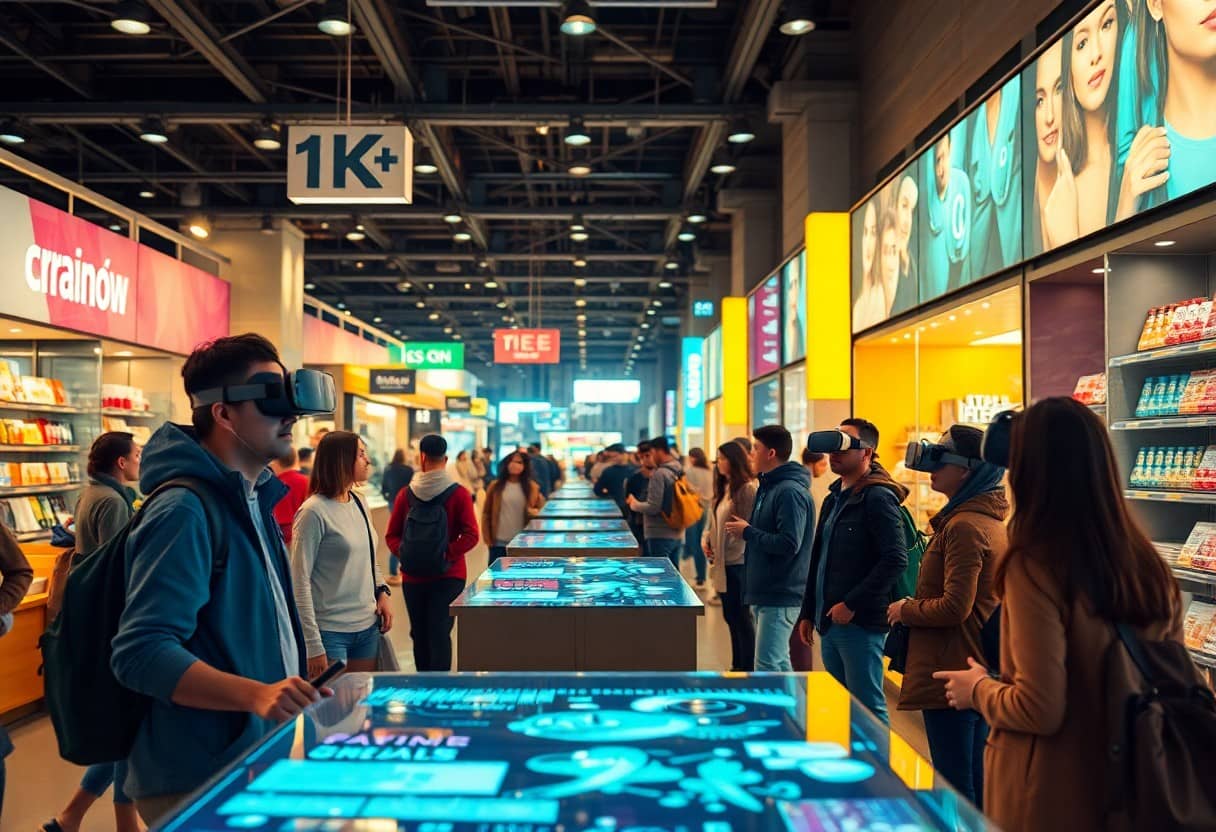
Exploring products in virtual reality (VR) opens the door to unexpected encounters that can spark joy and inspiration. Unlike traditional online shopping, where you often search with a clear intent, VR encourages immersive wandering, allowing your curiosity to guide adventures. This serendipitous aspect enhances user experience, transforming the mundane task of shopping into a delightful journey of discovery, where you might stumble upon desirable items that cater to your evolving tastes and preferences.
How VR Transforms Product Exploration
In VR environments, product exploration becomes an engaging experience rather than a simple transaction. You can interact with items in a three-dimensional space, examining them from various angles, feeling their textures, and visualizing them in your space. This sensory immersion allows you to make more informed decisions as you connect emotionally with products, ultimately leading to a more satisfying shopping experience that feels personal and unique.
The Role of Algorithmic Bias in Guiding User Journeys
Despite the potential for exploration in VR, algorithmic bias can shape your experience, often limiting the variety of products you encounter. Algorithms analyze your previous shopping behaviors, preferences, and interactions to offer personalized recommendations. While this can enhance efficiency, it may inadvertently push you toward a narrow selection, restricting opportunities for serendipitous discovery that you might find outside of your established patterns.
Algorithmic bias often operates by reinforcing existing preferences, filtering out new and potentially exciting products that diverge from your established tastes. For instance, if your shopping history shows a penchant for minimalist decor, you might miss out on innovative, bold designs that could inspire a change in your aesthetic. This limitation can create an echo chamber, hindering creativity and exploration, while overarching trends consolidate rather than diversify your shopping journey. As a shopper in VR, it’s necessary to be aware of these biases and seek out platforms that offer a wider range of experiences, balancing personalized guidance with opportunities for unexpected delights.
Creating Unpredictable Shopping Experiences
Introducing unpredictability into the shopping experience enhances customer engagement and satisfaction. Imagine donning your VR headset and discovering a hidden room filled with exclusive items not listed on the website, nudging you toward an unplanned purchase. By integrating these elements of surprise into your virtual shopping escapades, brands can create more memorable interactions, transforming simple browsing into exciting adventures. This unpredictability not only keeps you engaged longer but also encourages exploration beyond your usual preferences, ultimately changing the way you view online shopping.
Harnessing AI for Spontaneous Engagement
AI plays a pivotal role in generating spontaneous encounters during your VR shopping trips. Advanced algorithms can analyze your preferences and shopping history to predetermine delightful surprises tailored specifically for you. For instance, when you enter a virtual store, AI-driven systems might present an unexpected discount on a product you’ve contemplated or suggest complementary items you didn’t know you wanted. By leveraging such technology, retailers can seamlessly blend your familiar interests with exhilarating moments of serendipity, enhancing your overall shopping experience.
The Psychological Impact of Surprise in Consumer Behavior
Surprise has a profound psychological effect on your decision-making process, often leading to more impulsive purchases. Studies indicate that unexpected events trigger the release of dopamine, the “feel-good” hormone, making you more inclined to act quickly on your impulses. For example, when you stumble upon an unadvertised sale during a virtual shopping session, the thrill may propel you to buy an item you otherwise would have overlooked. Your brain associates that spark of surprise with positive emotions, further reinforcing the desire to return to similar shopping environments.
In practical terms, this psychological response can be harnessed by retailers looking to boost sales. A case study conducted by a leading e-commerce platform revealed that users exposed to surprise discounts reported higher satisfaction rates and were 40% more likely to make additional purchases within a month following their initial surprise experience. This indicates that the positive reinforcement associated with unexpected rewards extends beyond the immediate shopping occasion, fostering a habitual return to the brand for future needs. Integrating surprises into your VR shopping journey not only elevates excitement but can also have lasting effects on your loyalty to a brand.
Case Studies: Success Stories of Serendipity in VR Retail
Several companies are already harnessing the power of serendipity in VR retail, leading to impressive results. Notable case studies reveal how chance encounters can boost sales and enhance customer experiences.
- Company A: Increased sales by 30% after integrating VR experiences that encourage users to explore random products.
- Company B: Reported a 25% rise in customer retention rate as users discovered new items through interactive virtual environments.
- Company C: Achieved 40% higher average order values by featuring surprise add-ons through VR shopping paths.
- Company D: Engaged 2 million unique users in a VR platform that emphasized unexpected product suggestions.
- Company E: Noted a 50% increase in cross-selling opportunities by allowing customers to stumble upon related products in immersive settings.
For more insights, check out Exploring consumers’ serendipitous experiences in retail settings.
Virtual Marketplaces that Thrived on Chance Discoveries
Some virtual marketplaces have experienced remarkable growth due to chance discoveries. By designing their environments to encourage exploration, they have transformed the shopping experience. Shoppers are drawn to new collections or products, which has resulted in an increase in spontaneous purchases. The playful nature of VR shopping can sometimes lead to higher satisfaction, as users experience curiosity and excitement in finding unexpected delights.
User Testimonials: Serendipity’s Role in Purchase Decisions
User testimonials highlight how serendipity significantly impacts purchasing decisions in VR retail. Customers often share stories of finding products they didn’t initially seek out, leading to happy, impulse purchases. This unique shopping experience can turn an ordinary visit into a delightful excursion, underscoring the importance of chance in creating memorable moments during their virtual journeys.
Feedback from users reveals that a substantial percentage, approximately 70%, enjoy discovering new items while navigating through VR stores. Many report feeling a sense of thrill when stumbling upon a product they didn’t know they wanted, emphasizing the emotional aspect of the shopping experience. This serendipitous design not only keeps users engaged but also fosters brand loyalty, as customers return to relive the excitement of chance findings.
Navigating the Trade-offs: Control versus Serendipity
In the evolving landscape of VR website shopping, striking a balance between user control and the element of serendipity presents a unique challenge. While you may prefer a tailored shopping experience that surfaces products suited to your tastes, the unexpected discovery of new brands or innovative items can evoke excitement and inspire purchases. Retailers must navigate this trade-off, understanding the necessity of both control and spontaneity in order to cater to diverse shopping preferences.
The Benefits of Curated Experiences vs. Open Exploration
Curated shopping experiences allow you to seamlessly find products that align with your preferences, saving time and enhancing satisfaction. Leveraging algorithms that suggest items based on previous purchases can lead to higher conversion rates. Conversely, open exploration promotes discovery, encouraging you to stumble upon unique offerings not directly related to your interests, potentially expanding your horizons and prompting impulse buys that wouldn’t have occurred in a strictly curated environment.
Finding a Balance: How Retailers Can Optimize for Both
Retailers can achieve a harmonious balance by integrating both curated and exploratory features in their VR shopping platforms. By implementing a dynamic recommendation engine that suggests items based on your behavior while also incorporating sections for trending products or user-generated content, retailers encourage exploration without sacrificing personalization.
This hybrid approach could include interactive experiences where you can customize your shopping journey while concurrently discovering products through virtual ‘aisles’ that showcase themed collections or seasonal items. For example, a VR shop could merge algorithms with a discovery section featuring pop-up brands or highlighted unique items. This ensures you’re still presented with familiar suggestions while also inviting the chance to encounter delightful surprises. Strategic use of notifications about newly added items could further entice you to revisit, balancing the revved-up thrill of exploration with the comfort of the familiar.
The Future Landscape of VR Shopping: A Serendipitous Outlook
The future of VR shopping promises to be a treasure trove of unexpected delights. You can anticipate an immersive, dynamic environment where each visit feels fresh and spontaneous. Enhanced AI algorithms will not only tailor pathways to your preferences but also introduce surprising elements that push the boundaries of discovery, leveraging randomness in a functional way to enrich your shopping experience. As these technologies evolve, the serendipity factor could become a key differentiator, making your time spent in virtual stores not only a task but an exhilarating adventure.
Emerging Trends Shaping Unexpected Discoveries
As VR technology advances, trends like integrated gamification and augmented storytelling are shaping how you encounter products unexpectedly. Retailers will likely implement interactive features that spark curiosity, inviting you to explore hidden areas of virtual stores, leading to unique finds that traditional online shopping fails to deliver.
Anticipating Consumer Expectations: The Role of Serendipity
Understanding how serendipity resonates with your expectations will redefine future shopping interactions. Researchers indicate that 60% of consumers prefer experiences that surprise them. Incorporating serendipitous elements in VR shopping aligns with these expectations, offering joy through novelty, spontaneity, and unexpected delights that go beyond mere transactions.
Engaging with serendipity in VR shopping taps into a fundamental human desire for discovery. Studies show that spontaneous purchases often lead to increased satisfaction; therefore, retailers are motivated to create an ambiance that embraces randomness. Enhanced AI can analyze your habits and curate experiences that intersperse familiar aspects with designed surprises, like showcasing a product you didn’t know you needed. This creates moments of delightful discovery that keep your shopping experience fresh and enjoyable, shaping a new expectation for what online shopping can feel like.
Summing up
Presently, as virtual reality technology evolves, serendipity will play a transformative role in your VR shopping experiences. You will find unexpected products that align with your interests, enhancing your browsing journey beyond mere transactions. By immersing yourself in dynamic environments, the element of surprise can lead to delightful discoveries, creating a more engaging and interactive shopping atmosphere. Your ability to explore and stumble upon unique items will redefine how you perceive online shopping, making each visit to a virtual store an adventure filled with potential for personal revelation.
Q: How can serendipity enhance the user experience in future VR website shopping?
A: Serendipity can significantly uplift the virtual shopping experience by introducing elements of surprise and discovery. By utilizing advanced algorithms and AI, VR shopping platforms can suggest unexpected products that align with a user’s taste or browsing history. For instance, while browsing for shoes, a customer might stumble upon a matching handbag or accessories that they weren’t specifically searching for. This element of surprise can make the shopping experience more enjoyable and engaging, encouraging users to explore more and enhancing their overall satisfaction.
Q: In what ways might VR technology facilitate unexpected product encounters?
A: Virtual reality can create immersive environments that simulate the feeling of wandering through a real marketplace. Shoppers can navigate their VR space as they would in a physical store, where they might unexpectedly come across a new product display or a limited-time offer. Additionally, interactive elements, such as pop-up events or virtual sales, can appear spontaneously, drawing shoppers’ attention to products they might not have actively sought out. These experiences foster a sense of excitement and spontaneity, making the online shopping journey more dynamic.
Q: What potential drawbacks could arise from relying on serendipity in VR shopping platforms?
A: While embracing serendipity can enhance the shopping experience, it might also bear risks if not carefully managed. For example, users may feel overwhelmed by too many unexpected suggestions or find it distracting, leading to frustration. Additionally, if the recommendations based on serendipity do not resonate with users’ preferences, it may create a disconnect between the shopper and the platform. Therefore, VR shopping experiences must strike a balance between personalization and the element of surprise to ensure that users feel pleasantly surprised rather than confused or annoyed.
