
Perception is key to understanding how hyperrealistic virtual reality (VR) websites are transforming your experience of reality and retail. As technology evolves, you find yourself navigating immersive online environments that blur the lines between the physical and digital worlds. These advanced platforms not only enhance your shopping experience but also challenge your understanding of what is real. In this blog post, you’ll explore how VR is reshaping consumer interactions, influencing behavior, and ultimately redefining the landscape of retail as you know it.
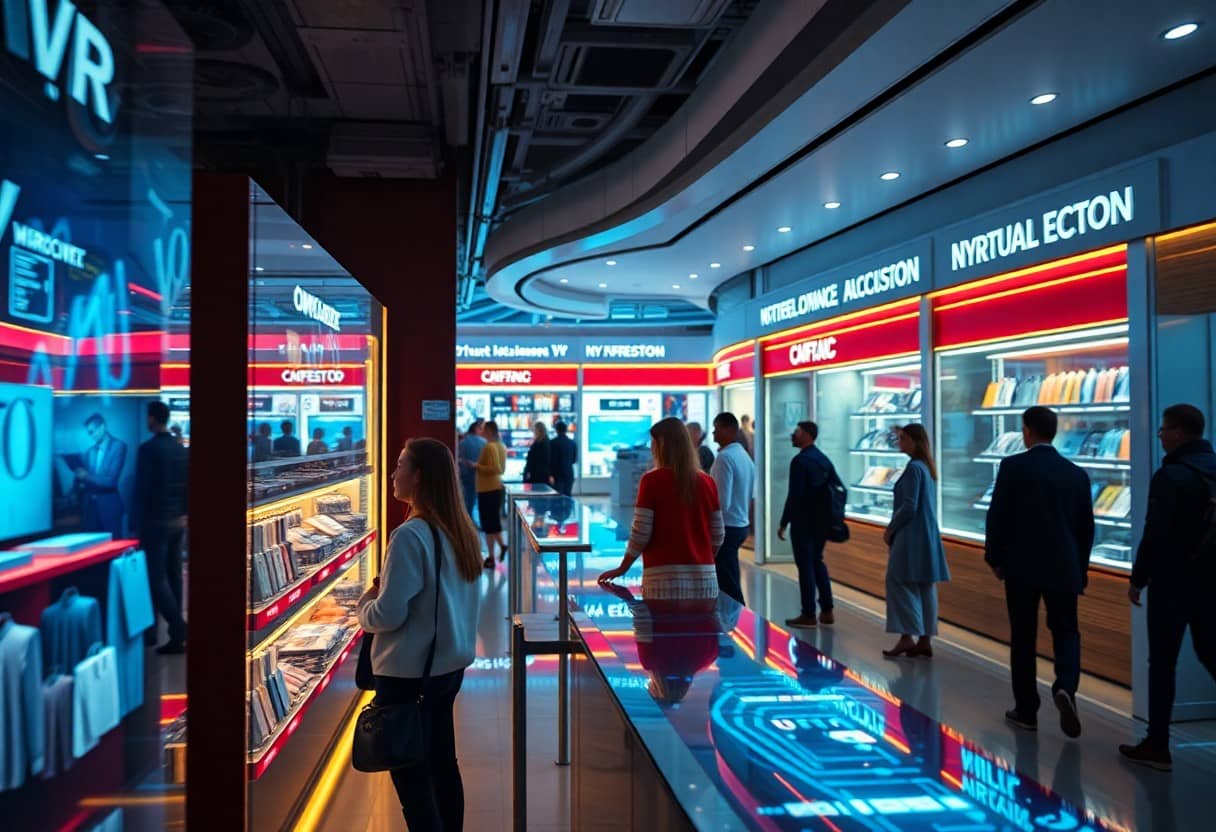
The Immersive Experience Revolution
Virtual reality has transcended entertainment, entering retail as the immersive experience revolution reshapes consumer behavior. The allure of hyperrealistic environments encourages you to engage with products like never before, allowing exploration and interaction that surpass conventional online shopping. Enhanced sensory stimulation makes the shopping experience feel personal and intimate, resulting in emotional connections that drive purchasing decisions. Brands that harness this technology not only transform how you shop but also cultivate loyalty and brand identity through unforgettable experiences.
Defining Hyperrealistic VR and Its Features
Hyperrealistic VR marries advanced technology with intricate design to produce environments indistinguishable from reality. Utilizing high-resolution visuals and spatial audio, these experiences engage you fully, creating an atmosphere that feels physically present. Key features include realistic textures, lifelike avatars, and interactive elements that allow for a dynamic encounter with virtual products. The immersion achieved leaves you not just ‘visiting’ a site but living the experience, enhancing product understanding and emotional engagement.
The Technology Driving Hyperrealistic Experiences
The backbone of hyperrealistic VR lies in cutting-edge technologies such as photogrammetry, 3D modeling, and digital twin simulations, all of which converge to create lifelike representations. These technologies work in tandem, allowing for real-time rendering and interaction that can adapt to your movements. Additionally, advancements in VR headsets, such as the Quest 2 and Valve Index, provide increased processing power and superior graphical fidelity, ensuring that every detail feels tangible. For instance, users report feeling as if they are physically in a showroom, making decisions based on a sensory connection that traditional web experiences cannot replicate.
The increasing reliance on artificial intelligence enhances these hyperrealistic environments by personalizing experiences based on your behaviors and preferences. Machine learning algorithms analyze past interactions, helping to tailor product recommendations and refine the overall experience. This synergy of technologies not only elevates your engagement but also drives brands to reimagine the retail landscape. With each advancement, hyperrealistic virtual experiences become seamlessly integrated into daily life, transforming the way you perceive reality and interact with retail environments.
Perception Transformation: How VR Alters Reality
Hyperrealistic VR experiences challenge your understanding of reality, making the virtual feel tangible and indistinguishable from the real world. As you immerse yourself, your senses become acclimated to the virtual environment, often leading to altered perceptions of space, time, and even social interactions. The dopamine rush and sensory engagement from such experiences can create an emotional connection that blurs the line between genuine experiences and digital simulations, profoundly influencing how you perceive both the virtual and physical worlds.
Psychological Impacts of Hyperrealistic VR Experiences
The psychological effects of hyperrealistic VR can be profound, as these environments often evoke strong emotional responses akin to real-life experiences. Engaging in VR can lead to feelings of presence, where you might forget you’re in a virtual setting. This immersion can generate empathy, allowing you to experience scenarios from others’ perspectives, which can shift your worldview and alter your emotional landscape.
Blurring Lines: Virtual vs. Physical Reality
The integration of hyperrealistic VR into daily life creates an intriguing overlap between the virtual and physical realms. This fusion may raise questions about authenticity, as experiences in VR can evoke sentiments and memories that feel just as genuine as those in the real world. With every advancement in technology, brands are increasingly leveraging VR to create environments that feel real enough to influence your decisions, behaviors, and interactions with both products and social contexts. This evolution not only reshapes retail but also redefines personal experiences, compelling you to rethink what constitutes ‘reality.’
Retail Reinvented: The Future of Shopping
Hyperrealistic VR websites are set to offer an immersive shopping experience that could completely transform consumer engagement and purchasing behavior. As retail evolves, you’ll no longer simply browse products but enter fully interactive environments that allow you to explore items in detail, visualize them in your own space, and engage with brand narratives like never before. This transition raises questions about traditional shopping methods and the overall dynamics of commerce. For a deeper explore potential challenges in the VR/AR spectrum for reshaping the Retail …, consider how technology can be harnessed effectively.
The Shift from Brick-and-Mortar to Cyber Experience
The retail landscape is increasingly shifting from physical stores to virtual experiences. You have the power to shop from the comfort of your own home while having access to an unlimited variety of products. Interactive VR environments allow for a seamless blend of convenience and rich sensory experiences, changing how you interact with brands and products. The limitations of physical space are eliminated, enabling a personalized shopping journey that feels uniquely yours.
Case Examples: Groundbreaking Retailers Adopting VR
Several pioneering retailers are leading the charge by integrating VR into their shopping experiences. Brands such as IKEA and Lowe’s have launched VR applications that allow you to visualize furniture and decor in a simulated environment, ensuring that you can see how items fit into your personal spaces before making a purchase. Similarly, luxury brands like Nespresso have utilized VR to provide virtual tours of their factories, emphasizing transparency and engagement while deepening your connection to the product’s craftsmanship.
More retailers are recognizing the advantages of VR technology in enhancing customer experiences. For example, Adidas has experimented with VR in-store experiences where shoppers can virtually “test” footwear in various scenarios. This innovative approach combines entertainment with engagement, keeping customers excited about their purchase decisions. Similarly, brands like Sephora have implemented AR features that let you virtually try on makeup, highlighting how technology is not just a novelty but a transformative tool for retail. The potential for creating dramatic, immersive shopping experiences is vast, and as more retailers adopt these technologies, expect a revolutionary shift in how you engage with brands and products.
Economic Implications: The Bottom Line on Virtual Retail
Hyperrealistic VR websites will bring not only a shift in how you shop but also significant economic implications for retailers and consumers alike. The blend of immersive technology and online shopping creates new pathways for cost efficiency and investment. With reduced overheads from physical storefronts, businesses may pass on savings to you while expanding their reach to a global customer base. The fundamental changes in consumer engagement and spending patterns could redefine the retail landscape, paving the way for innovations that further enhance your shopping experience.
Cost Savings and Investment Opportunities
By adopting hyperrealistic VR technologies, businesses can significantly reduce operational costs. For instance, the need for physical retail space diminishes, leading to lower rent and maintenance expenses. As companies streamline their operations, these savings can extend to you in the form of lower prices and enhanced customer service experiences. Moreover, investing in VR development opens new revenue streams and attracts tech-savvy buyers, positioning brands as forward-thinking leaders within the marketplace.
Consumer Behavior Changes in a VR Shopping Environment
Shopping in a VR setting influences your buying habits and decision-making processes. You might spend more time exploring products within immersive environments, leading to greater brand engagement. Research shows that virtual experiences can enhance emotional connections to products, making you feel more invested in your purchases. The ability to visualize and interact with items before buying may reduce return rates while increasing your overall satisfaction with the shopping experience.
In hyperrealistic VR environments, the act of shopping becomes an experiential journey rather than a transactional chore. You’re likely to browse more thoughtfully, as the immersive nature of VR allows you to feel textures, see products in lifelike detail, and even try on clothing virtually. Factors such as emotional engagement and social interaction—like the ability to shop with friends online—can further influence your purchasing decisions. As you navigate through these virtual spaces, you may find yourself making more considered purchases, leading to a shift in how brands market their products and how you interact with them.
Ethical Considerations in Hyperrealistic VR
As hyperrealistic VR technologies reshape our shopping landscape, ethical implications become unavoidable. Issues surrounding user privacy, data security, and consumer responsibility require rigorous examination. Your immersive experience may open pathways to enhanced engagement, but it also raises questions about how your data is collected, used, and protected in these digital spaces.
Privacy Concerns and Data Security
VR platforms gather extensive data to create tailored experiences, which means your movements, preferences, and interactions may be tracked. Without robust security measures, this data could become vulnerable to unauthorized access. You might find yourself questioning whether the convenience of personalized shopping justifies the risk of exposure and misuse of your private information.
The Role of Consumer Responsibility
You have a significant role in ensuring ethical practices within hyperrealistic VR environments. Understanding what data is being collected and advocating for transparency helps create a culture that prioritizes ethical standards. By making informed choices and demanding better data protection practices from companies, you contribute to a safer and more responsible virtual ecosystem.
While glossy advertisements might visually captivate you, engaging your sense of consumer responsibility is equally important. As a user, staying informed about privacy policies and urging brands to provide clarity on data practices can foster a more ethical shopping environment. Taking proactive steps, such as regularly reviewing your privacy settings and opting out of data sharing when possible, establishes a precedent for responsible consumption that holds companies accountable for how they handle your information in hyperrealistic VR settings.
Final Words
To wrap up, hyperrealistic VR websites stand to significantly alter your perception of reality and retail by immersing you in lifelike experiences that challenge traditional boundaries. They enable you to explore products in a virtual space as though you were physically present, enhancing your decision-making process. As these technologies evolve, you may find your shopping experiences becoming more interactive and personalized, ultimately reshaping how you engage with brands and consume products. Embracing this innovation could redefine your understanding of what retail can offer.
FAQ
Q: How does hyperrealistic virtual reality (VR) change our expectations when browsing online stores?
A: Hyperrealistic VR can significantly elevate our online shopping experience by making it more immersive and interactive. Traditional online shopping often lacks tactile feedback and real-world interaction, which can lead to uncertainty about product quality and fit. With hyperrealistic VR, customers can navigate a virtual store that closely resembles a physical space, allowing them to see products in meticulous detail, virtually try on clothing, or even visualize furniture in their home settings. This enhanced engagement not only sets new expectations for consumers but also encourages brands to invest in more innovative and visually appealing digital storefronts.
Q: In what ways could hyperrealistic VR impact consumer decision-making in retail?
A: The impact of hyperrealistic VR on consumer decision-making can be profound. By providing a lifelike shopping experience, it allows consumers to forge emotional connections with products through interaction and exploration. This sensory immersion can lead to increased confidence when making purchasing decisions, as customers can evaluate items more thoroughly than with standard images or descriptions. As a result, this technology enables shoppers to feel more assured in their choices, potentially reducing return rates and increasing overall satisfaction with their purchases. By redefining the shopping experience, hyperrealistic VR can shift consumer behavior towards more considered and deliberate buying practices.
Q: What challenges might retailers face when integrating hyperrealistic VR into their online platforms?
A: While hyperrealistic VR presents numerous opportunities, retailers may encounter several challenges during integration. First, the technological requirements for VR can be significant, necessitating substantial investment in software development and hardware compatibility. Additionally, creating high-quality, realistic VR content demands considerable resources and expertise, which may be daunting for smaller retailers. There might also be a learning curve for consumers accustomed to traditional shopping methods, potentially leading to resistance or slow adaptation to the new technology. To successfully implement VR, retailers must ensure a seamless user experience while addressing these hurdles to maximize the benefits of hyperrealistic virtual retail environments.
