
VR technology is set to revolutionize the way you shop, creating an immersive experience that redefines traditional retail. Imagine walking through virtual stores, interacting with products in three dimensions, and even trying on clothes without leaving your home. As immersive VR websites become increasingly accessible, you’ll find that shopping is not just about purchasing items, but experiencing them in a whole new way. This blog post explores how these advancements will transform your shopping habits, offering convenience and engagement like never before.
The Shift from Traditional Retail to Virtual Reality
The transition from traditional retail to virtual reality is reshaping how you experience shopping. Instead of navigating crowded aisles, you can step into immersive VR environments that allow for seamless interaction with products. You can visualize items in your own space, try on outfits virtually, or even experience products through simulated scenarios, enhancing your purchasing confidence. This shift not only redefines your shopping experience but also expands retailers’ reach globally, allowing them to engage with you wherever you are.
Analyzing Consumer Behavior Changes
Your shopping habits are evolving alongside advancements in technology. As you become more accustomed to immersive experiences, your expectations for interactivity and personalization in retail are rising. Consumers now demand more immersive and efficient shopping journeys, leading to changes in purchasing patterns. The preference for experiential retail, where engaging with products is prioritized over mere transactions, is becoming increasingly apparent.
The Role of Technology in Retail Evolution
Emerging technologies are at the forefront of retail’s transformation. The integration of VR, augmented reality (AR), and artificial intelligence (AI) is revolutionizing how you shop online. Virtual fitting rooms, for instance, enable you to visualize clothing on your avatar before purchasing, reducing the likelihood of returns. By leveraging AI algorithms, retailers can anticipate your preferences and suggest tailored options, streamlining the shopping experience.
This technological evolution also fosters more profound connections between brands and consumers. Virtual environments offer unique opportunities for storytelling and brand immersion, helping you establish a stronger emotional connection with the products. For example, a furniture store could create a VR space where you can visualize how a new sofa fits into your living room, ultimately guiding your decision. As these technologies advance, they not only improve your shopping experience but also challenge traditional retail models, paving the way for more innovative approaches to engage your interest.
The Mechanics of Immersive Virtual Shopping
Immersive virtual shopping operates through advanced technologies that blend augmented reality and VR to recreate the shopping experience. You can engage with 3D representations of products, explore virtual stores, and even interact with seller avatars. As detailed in 3 Ways Virtual Reality Will Transform eCommerce, this technology not only enhances consumer engagement but also optimizes the purchasing process, making it far more efficient and enjoyable.
Essential Features of VR Shopping Platforms
To facilitate a seamless shopping experience, VR shopping platforms must incorporate several important features. These include user-friendly interfaces, high-definition 3D product models, and efficient navigation tools. Real-time customer support can enhance user satisfaction, while secure payment systems ensure consumer trust. The key lies in delivering a holistic experience where ease of use and interactivity go hand in hand.
Creating a Sensory Experience: Visuals, Sounds, and Interactivity
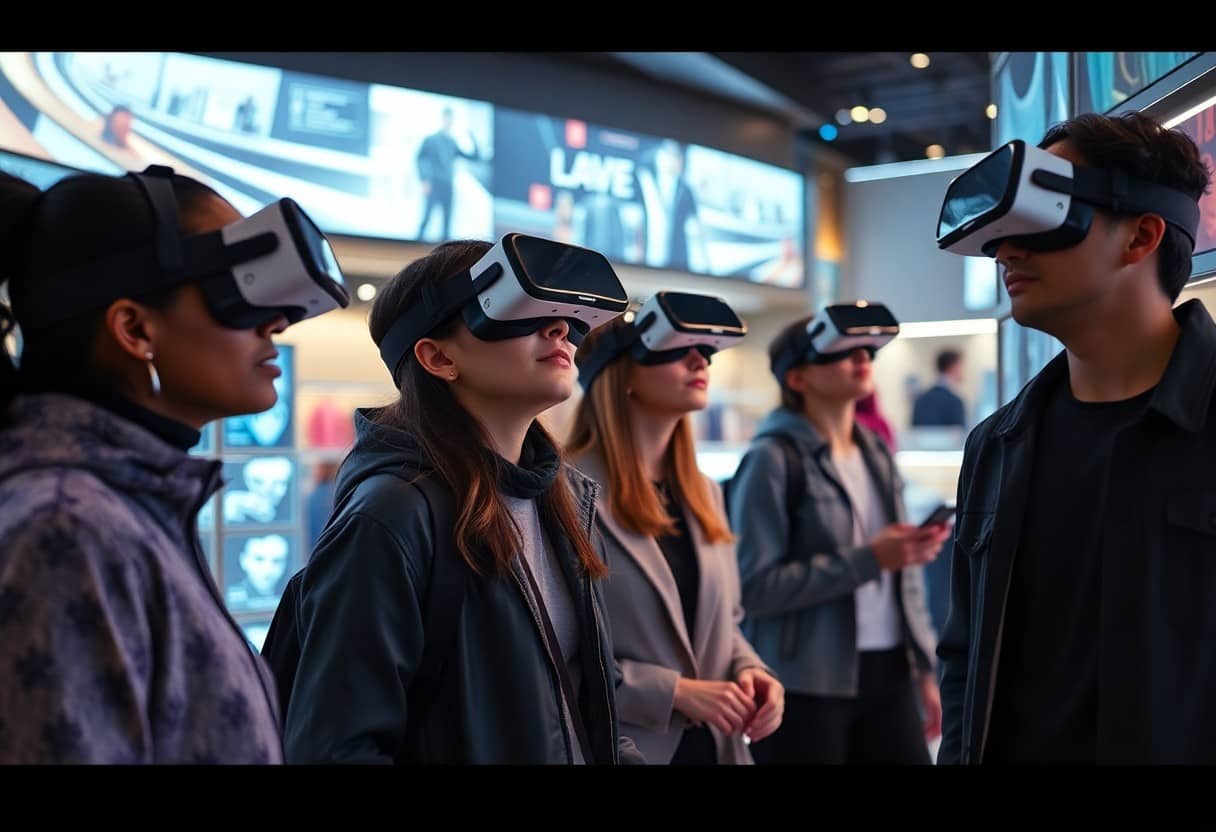
A holistic sensory experience elevates VR shopping beyond mere visuals. Immersive auditory elements like ambient store sounds or voiceovers add depth while interactive tools such as product customization and virtual assistance enrich the experience. You can think of it as walking into a physical store—your senses are engaged at multiple levels, ensuring that your shopping journey is captivating and memorable.
This sensory engagement extends beyond visuals and sounds. Imagine browsing a clothing store, feeling the texture through simulation technology, or adjusting colors in real-time. These interactions create a genuine sense of connection to the product, leading to more informed purchasing decisions. By incorporating elements like virtual try-ons, you’re not just seeing items but also experiencing them, which can significantly enhance customer satisfaction and reduce return rates. By emphasizing a multi-sensory approach, retailers can transform typical shopping into an engaging, memorable adventure.
The Impact of VR on User Experience and Engagement
Immersive VR websites significantly enhance user experience and engagement by offering a dynamic environment that traditional online shopping lacks. You step into a three-dimensional world where you can interact with products as if you were physically present in a store. The lifelike representation allows you to examine items from various angles, providing a more informed purchasing decision. Studies show that brands leveraging VR see higher retention rates and increased customer satisfaction, transforming shopping from a chore into an engaging adventure.
Enhancing Engagement through Personalized Shopping
Personalization powers the next level of engagement in VR shopping. By utilizing data on your preferences and past purchases, these platforms can tailor the entire shopping experience to meet your specific tastes. You might find curated product recommendations or dynamic storefronts that evolve based on your interests, creating a unique shopping path that feels personal and relevant. This bespoke approach strengthens brand loyalty and increases the likelihood of conversion.
Overcoming Barriers: Accessibility and User Inclusivity
Accessibility in VR shopping is vital for a broader audience reach. Effective participation hinges on the ability for everyone, including those with disabilities, to navigate these immersive environments effortlessly. This requires thoughtful design and technology that accommodates various needs, allowing you to enjoy seamless interaction without hindrance. Implementing features like voice commands, customizable interfaces, and adaptive visuals could ensure a more inclusive setting.
To truly make VR shopping accessible, it’s necessary to implement user-centered design principles. For instance, consider the challenges faced by individuals with visual impairments; incorporating auditory guidance and tactile feedback can enhance their experience. Additionally, creating simplified navigation paths will help users with cognitive disabilities to explore VR environments without feeling overwhelmed. By addressing these factors, immersive VR shopping can become an enriching experience for everyone, regardless of their abilities, thus expanding your potential customer base.
Economic Implications of a VR Shopping Paradigm
The emergence of immersive VR websites fundamentally alters the economic landscape of retail. As businesses adopt VR technology, traditional revenue models will adapt, and new opportunities will arise for engaging consumers and driving sales. The potential for increased conversion rates and customer retention will challenge existing pricing strategies and market segmentation, ultimately reshaping economic dynamics for retailers worldwide.
Reshaping Market Dynamics and Competition
Competition will intensify as brands leverage VR experiences to differentiate themselves. You might find that VR adoption enables niche markets to thrive, allowing small businesses to compete on an equal footing with major players. With virtual storefronts that capture a target audience’s attention, customer loyalty could be more easily cultivated, creating a vibrant ecosystem where innovation drives consumer choices.
The Costs of Transition: Investments and Returns
Your entry into the VR shopping paradigm comes with significant investment requirements, yet the potential returns could surpass traditional retail models. Setting up immersive VR environments demands not only technology costs but also investment in content creation and user experience design. As you navigate these costs, consider the long-term benefits of enhanced customer engagement and brand loyalty, which could result in higher lifetime value for customers.
Transitioning to VR shopping isn’t just about incorporating a new technology—it’s about reimagining your entire retail strategy. Initial investments might involve VR hardware, software development, and ongoing maintenance, all of which can reach millions for larger organizations. Small businesses may find lower-cost, accessible solutions through platforms that facilitate VR shopping without large upfront costs. Analyzing metrics such as increased sales per visit or longer time spent in virtual environments will become crucial in evaluating ROI, helping you understand if the shift is paying off. By carefully assessing these financial aspects, you can make informed decisions that align with your growth objectives in the rapidly evolving marketplace.
The Future of Retail: Predictions and Possibilities
As immersive VR technology continues to evolve, retail is on the brink of a transformation that reshapes shopping entirely. Customers will have access to curated experiences that blend entertainment with commerce, allowing them to explore virtual storefronts and interact with products in ways that were once unimaginable. This shift will not only enhance personalization but also foster a deeper emotional connection to brands, ultimately altering purchasing behaviors and engagement across the board.
Expert Opinions on Industry Transformations
Industry analysts predict that the integration of VR in retail will lead to significant shifts in consumer expectations and brand interactions. Experts believe that brands that adopt these technologies early will gain a competitive advantage, as consumers increasingly seek unique and engaging shopping experiences. In turn, this could lead to a redefinition of what it means to shop, moving beyond mere transactions to immersive experiences that captivate and hold attention.
Trends to Watch: From Augmented Reality to AI Integration
Several trends are emerging that will shape the future landscape of retail. Augmented reality (AR) applications are becoming commonplace, allowing customers to visualize products in their own environments before purchase. Coupled with advanced AI algorithms, retailers can offer tailored recommendations that enhance the shopping journey, predicting customer preferences and ensuring a seamless experience. These innovations will not only improve user satisfaction but may also drive higher conversion rates.
Stay alert to the rapid advancement of AR and AI technologies within the retail sector. Many brands are using AR to enable virtual try-ons for clothing and accessories, allowing you to see how a piece fits and looks on you without stepping into a fitting room. AI, on the other hand, is enhancing personalization by analyzing your shopping history and behavior, providing you with product recommendations that feel incredibly tailored. As these technologies converge, you can expect shopping to evolve into a highly interactive and customized experience, making it easier and more enjoyable to find exactly what you need.
To wrap up
With these considerations, you can envision a future where shopping becomes an entirely immersive experience through VR websites. By integrating advanced technology, you will navigate virtual stores, try products in lifelike environments, and enjoy personalized shopping assistance, all from the comfort of your home. This transformation could redefine your interactions with brands and products, making online shopping not just a transaction, but an engaging journey. As immersive VR continues to evolve, your shopping habits may change, leading to richer experiences that blend convenience with excitement.
Q: How will immersive VR websites enhance the online shopping experience?
A: Immersive VR websites are set to revolutionize online shopping by providing a 3D environment where users can interact with products as if they are in a physical store. Shoppers will be able to explore virtual aisles, view products from all angles, and even try items like clothing or accessories on virtual avatars. This sensory experience will lead to more informed purchasing decisions, reducing the likelihood of returns and increasing customer satisfaction.
Q: What technological advancements are needed for widespread adoption of VR shopping?
A: For immersive VR shopping to become mainstream, several technological advancements will be necessary. This includes the development of more affordable and user-friendly VR headsets, improved internet bandwidth to support high-quality 3D visuals, and seamless integration of VR platforms with existing e-commerce systems. Additionally, advancements in artificial intelligence can personalize the shopping experience, allowing virtual assistants to help users navigate and find products that suit their needs.
Q: How will VR shopping impact consumer behavior and retail marketing strategies?
A: The implementation of VR shopping is expected to significantly alter consumer behavior by creating a more engaging and interactive shopping experience. Retailers may shift their marketing strategies to focus on creating compelling virtual experiences rather than solely relying on traditional advertisements. Brands could use immersive storytelling and virtual events to connect with customers in new ways, fostering brand loyalty and encouraging repeat purchases as consumers seek unique experiences that combine entertainment with shopping.
