
Most people are beginning to realize that virtual reality (VR) is not just a passing trend, but a powerful tool reshaping the shopping landscape. In this blog post, you will explore the esoteric trends that are driving the evolution of VR shopping experiences, allowing you to better understand how immersive technology is transforming consumer behavior. By examining advancements like interactive environments, social shopping experiences, and personalized marketing, you can gain insights into what the future holds for your shopping journey in the virtual realm.
The Psychological Pull of Virtual Environments
Virtual environments tap into psychological factors that enhance shopping experiences, leading to increased sales and customer satisfaction. By creating immersive spaces that mirror or enhance reality, brands encourage consumers to remain engaged longer and explore more deeply. This sense of presence not only makes the shopping experience enjoyable but also stimulates psychological rewards that drive purchasing behavior, melding entertainment with commerce seamlessly.
Immersion and Engagement: The Key Drivers
Engagement peaks in virtual reality shopping environments due to the immersive nature of the medium. You are fully transported into a digital space where you can interact with products in a way that mirrors real-life experiences. This heightened state of interaction results in an emotional investment, leading to longer browsing times and more significant purchases as you navigate through digital aisles and examine products closely.
Emotional Connection: Building Brand Loyalty through VR
Creating emotional connections in virtual reality can significantly enhance brand loyalty. When you engage with a brand in an immersive VR experience, you not only learn about the products but also form memorable interactions. This deep connection can lead to repeat purchases, brand advocacy, and long-term loyalty as you associate positive feelings with the immersive encounters you’ve had.
Building emotional connections through virtual reality extends beyond just presenting products; it involves crafting narratives and experiences that resonate with you personally. Brands like IKEA have harnessed VR to allow you to visualize how furniture fits into your home, creating a sense of ownership even before the purchase. By making you feel part of the storytelling process, these brands not only affirm their identities but also embed themselves in your memory, reinforcing a bond that traditional shopping cannot achieve. This emotional resonance fosters loyalty as you feel a genuine relationship with the brand, feeling understood and valued throughout your consumer journey.
The Intersection of AI and Virtual Commerce
AI technologies are redefining virtual commerce, enhancing the immersive experience you encounter while shopping in VR. From chatbots that assist with product discovery to advanced algorithms predicting the items you’re most interested in, these innovations create a seamless and personalized experience. This synergy between AI and virtual environments not only simplifies navigation but also enriches your shopping journey by making it more interactive and engaging. You are no longer just a passive viewer; you actively engage with personalized interfaces tailored just for you.
Personalization Algorithms: Tailoring Experiences in Real-Time
Personalization algorithms are reshaping your virtual shopping experiences by adapting continuously to your preferences and behaviors. These sophisticated systems analyze vast amounts of data not just to recommend products, but to curate entire shopping environments that mirror your tastes and interests. As you interact with the VR space, the algorithm learns and evolves, ensuring that every recommendation feels unique and relevant to you, making your journey through the virtual marketplace far more enjoyable.
Predictive Analytics: Anticipating Consumer Behavior in VR
Predictive analytics harnesses advanced data insights to foresee how you might behave in virtual shopping environments. By analyzing historical data and current trends, these tools can identify what products are likely to catch your interest before you even realize it. This proactive approach enhances your shopping experience, ensuring that you’re presented with options that resonate with your needs and desires, effectively streamlining your decision-making process.
Predictive analytics for VR shopping specifically focuses on understanding patterns in how you interact with virtual products. For instance, if you frequently browse athletic gear, the system anticipates your likelihood to engage with new arrivals in that category or recommend complementary items to enhance your shopping basket. The integration of such analytics not only increases the chances of a purchase but also retains your interest longer, creating a virtual shopping experience that feels intuitive and uniquely yours.
Sensory Realism: The Future of Shopping Interactivity
As VR technology advances, sensory realism is emerging as a game-changer for shopping interactivity. Your experience will no longer be confined to visual elements; expect a blend of realism that engages multiple senses, thereby making virtual shopping feel more like wanderings in a physical store. Innovations in haptic feedback and sensory integration are set to fundamentally alter how you perceive online purchases, shifting e-commerce dynamics significantly. For further insights, explore The Future Of E-Commerce: Trends To Watch In 2023.
Haptic Feedback: Redefining Touch in Virtual Spaces
Haptic feedback technology is increasingly redefining how you interact with virtual spaces. By simulating the sense of touch, it allows you to feel textures, contours, and even weight in VR environments. This means you’ll have a more embodied experience while shopping, whether you’re feeling the fabric of a dress or the grip of a gaming controller, directly influencing your decision-making process.
Multi-Sensory Integration: Engaging Sight, Sound, and Beyond
Multi-sensory integration goes beyond basic visuals and audio to create a cohesive shopping experience that taps into all your senses. Imagine walking through a virtual store filled with the sounds of light chatter, the aromas of fresh coffee, or the vibrant colors of displayed items. Retailers are now looking to incorporate olfactory elements and ambient soundscapes that deepen your immersive experience, aligning with current trends to blend digital interactions with sensory perceptions. This holistic approach not only attracts your attention but also fosters emotional connections to products, enhancing your likelihood of purchase.
Social Dynamics in Virtual Shopping Spaces
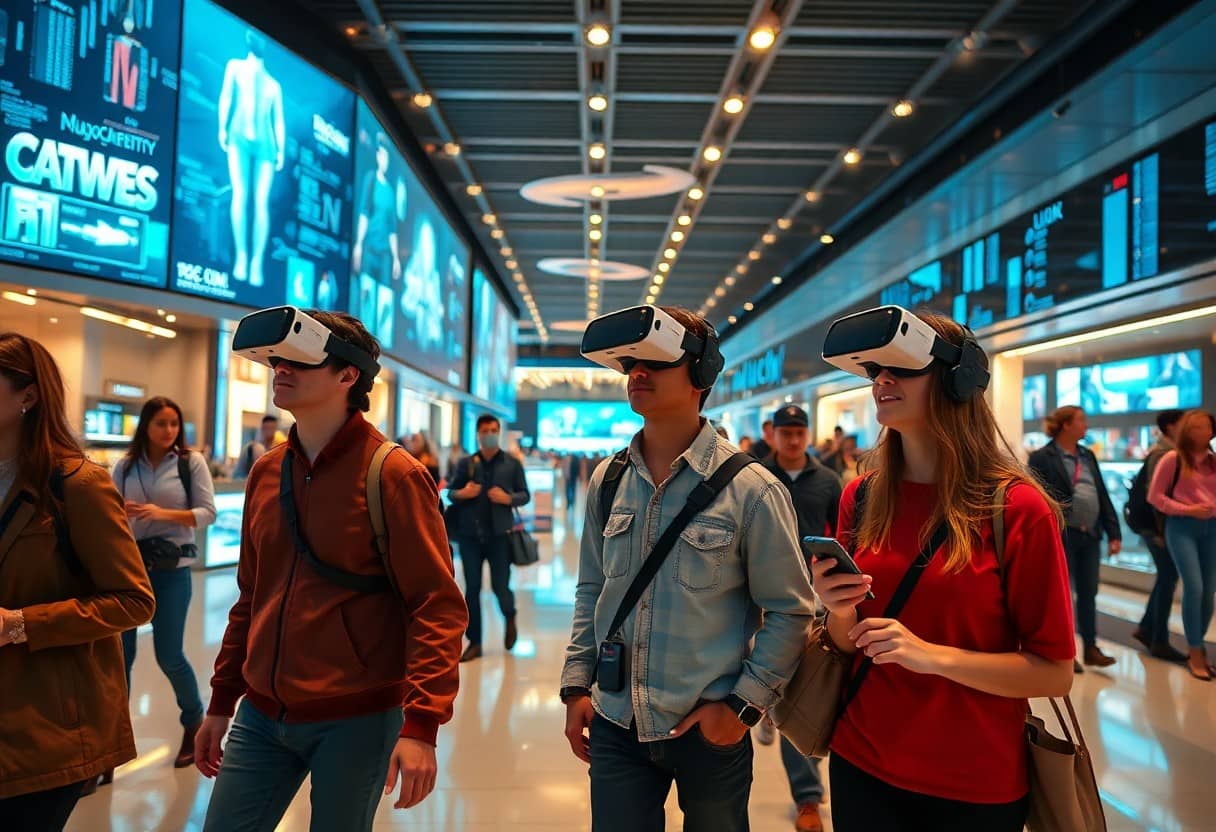
As virtual reality shopping experiences evolve, social dynamics are becoming central to how you engage with brands and products. These spaces allow you to interact with fellow shoppers in real-time, fostering a sense of community that enhances your shopping experience. Walking through a virtual mall, you can browse alongside friends or even meet new people with shared interests, making every purchase a more connected journey. Such interactions not only affect your buying decisions but also create memorable moments that shopping in the real world often lacks.
The Rise of Social Shopping: A Community Experience
Social shopping has emerged as a game changer, transforming your online experience into a collective one. By engaging with your friends while trying on virtual outfits or exploring new products together, you can simulate the feeling of shopping in a physical store with companions. This collaborative format encourages discussions, shared recommendations, and group purchasing decisions, making it not just about the product but also about creating shared experiences and memories.
Influencer Presence: The Role of Trust in VR Purchases
Influencers play a vital role in shaping your perception of products within virtual shopping environments. Their presence adds an element of trust and social proof, which can significantly impact your purchasing decisions. When influencers showcase products you see in virtual spaces, their recommendations resonate with you, translating their authenticity and credibility into increased sales for brands.
With an increase in social shopping experiences, influencers are finding innovative ways to interact with you in these virtual environments. Whether hosting live product demonstrations or creating engaging content that allows for real-time Q&A sessions, they enhance your connection to the products. Research indicates that 70% of consumers trust influencer opinions, making them powerful advocates in virtual retail. You not only rely on their tastes but feel inclined to explore offerings they highlight, leading to a more personalized shopping journey that aligns with your values and preferences.
Sustainability and Ethical Considerations
The integration of sustainability and ethical considerations into VR shopping experiences presents an opportunity to reshape consumer behaviors. As awareness of environmental impact grows, brands are encouraged to adopt sustainable practices in their virtual retail strategies. By creating eco-friendly shopping environments, you not only cater to conscious consumers but also position your brand as a leader in responsible retailing. This shift could involve digital displays of sustainable products or initiatives that promote transparency in supply chains, allowing you to align with the values of a more environmentally aware customer base.
The Eco-Friendly Potential of Virtual Retail
Virtual retail holds significant eco-friendly potential by minimizing carbon footprints associated with traditional shopping. You can engage in immersive experiences that reduce the need for physical transportation, packaging, and energy-intensive store setups. Imagine exploring a virtual store where products are showcased with minimal waste, and your purchase supports an environmentally-conscious brand. By opting for VR shopping, you contribute to a more sustainable ecosystem while enjoying convenience and innovative retail interactions.
Navigating Consumer Privacy in Immersive Experiences
Amid the allure of personalized VR shopping experiences, safeguarding your privacy becomes paramount. As brands collect intricate data to enhance customer interactions, transparency in how this information is used is vital. Ensuring that your preferences and shopping habits are protected fosters trust. Implementing robust data protection policies empowers you to shop confidently, knowing that your personal information remains secure throughout your virtual endeavors. With increasing regulations around data use, adhering to best practices in consumer privacy will not just be a legal imperative but also a competitive advantage.
Privacy concerns in immersive environments often stem from extensive data collection, including your location, preferences, and behavior within virtual spaces. For instance, retailers may utilize your interactions to provide tailored recommendations, yet this raises questions about data ownership and usage. Striking a balance between personalized shopping experiences and respecting consumer privacy requires transparency from brands. You should expect clear communication about what data is collected and how it’s used, empowering you to make informed choices that protect your privacy while still enjoying the benefits of an enhanced shopping experience.
Summing up
Presently, you can see that esoteric trends such as personalization, immersive storytelling, and the integration of artificial intelligence are shaping the future of VR shopping experiences. These innovations aim to enhance customer engagement, making your shopping journey more interactive and tailored to your preferences. By embracing these trends, you are poised to elevate your retail strategy, creating experiences that resonate deeply with consumers and foster brand loyalty in an increasingly competitive landscape.
Q: What technological innovations are influencing the development of VR shopping experiences?
A: Recent technological advancements in areas such as artificial intelligence, augmented reality, and 5G connectivity are significantly shaping the future of VR shopping. AI is enabling better personalization and product recommendations, making virtual storefronts more intuitive. Augmented reality features allow customers to visualize products in their own spaces before purchasing, enhancing decision-making. The rollout of 5G technology ensures faster and more stable connections, facilitating seamless and immersive VR experiences that mimic real-life shopping adventures.
Q: How are consumer behaviors changing in relation to virtual shopping environments?
A: As consumers become more comfortable with digital interactions, their shopping behaviors in virtual environments are evolving. Many shoppers now prefer the convenience and immersive experiences offered by VR, seeking out environments that combine social interaction with personalized shopping experiences. Trends indicate that consumers are increasingly drawn to gamified shopping experiences, where browsing and purchasing can feel more like an entertaining game than a chore. This shift is leading brands to create more engaging virtual stores that align with the expectations of modern consumers.
Q: In what ways are companies utilizing VR to enhance customer engagement and brand loyalty?
A: Companies are leveraging VR technology to foster deeper connections with their customers and build brand loyalty. By creating interactive and immersive virtual showrooms, brands enable customers to explore their products in lifelike settings, providing a unique shopping experience that can strengthen emotional connections. Companies are also hosting virtual events, product launches, and exclusive experiences within VR spaces, encouraging community engagement and brand attachment. These efforts not only improve customer satisfaction but also distinguish brands in a competitive market.
