
Over the past few years, virtual reality (VR) has emerged as a transformative technology, reshaping how businesses interact with consumers. You may be wondering how VR websites can elevate your engagement strategies and enhance user experience. With immersive capabilities, these platforms offer unique opportunities to connect with your audience in ways traditional websites cannot. In this post, we’ll explore the potential impact of VR on consumer engagement and guide you through the possibilities this innovative technology holds for your brand.
The Technological Evolution of VR Websites
Your understanding of VR websites deepens when you consider their technological evolution, which has been rapid and multifaceted. From simple 360-degree video experiences to fully immersive environments, the evolution has been fueled by advancements in hardware and software. The integration of real-time rendering, improved user interfaces, and high-resolution display technology has made VR experiences not only more engaging but also more accessible to a broader audience. As these technologies converge, the potential for transformative consumer engagement becomes increasingly tangible.
Milestones in VR Development
Key Players Driving Innovation
Several key players are at the forefront of VR innovation, shaping its future landscape. Companies like Facebook (Meta), Google, and Sony invest heavily in research and development, pushing the boundaries of what’s possible within VR. Their efforts focus not just on hardware but also on software solutions that enhance user experiences, such as social interaction platforms and dynamic content creation tools. With substantial market share, these giants foster competition and exploration among developers, ensuring that VR continues to evolve rapidly.
Among the leading contenders, Meta’s focus on creating a ‘metaverse’ ecosystem exemplifies a forward-thinking approach that blends social interaction and immersive experiences in unprecedented ways. Their commitment to platforms like Horizon Worlds showcases the potential of VR as a social space, allowing users to collaborate, shop, and socialize in a dynamic virtual environment. Meanwhile, Google’s ongoing advancements in AR/VR integration, alongside Sony’s immersive gaming experiences, contribute to a rich tapestry of innovation that keeps your experience engaging and ever-evolving. The synergy between these key players will likely accelerate VR’s penetration into everyday consumer engagement, posing exciting possibilities for the future.
Immersive Experiences: Redefining User Interaction
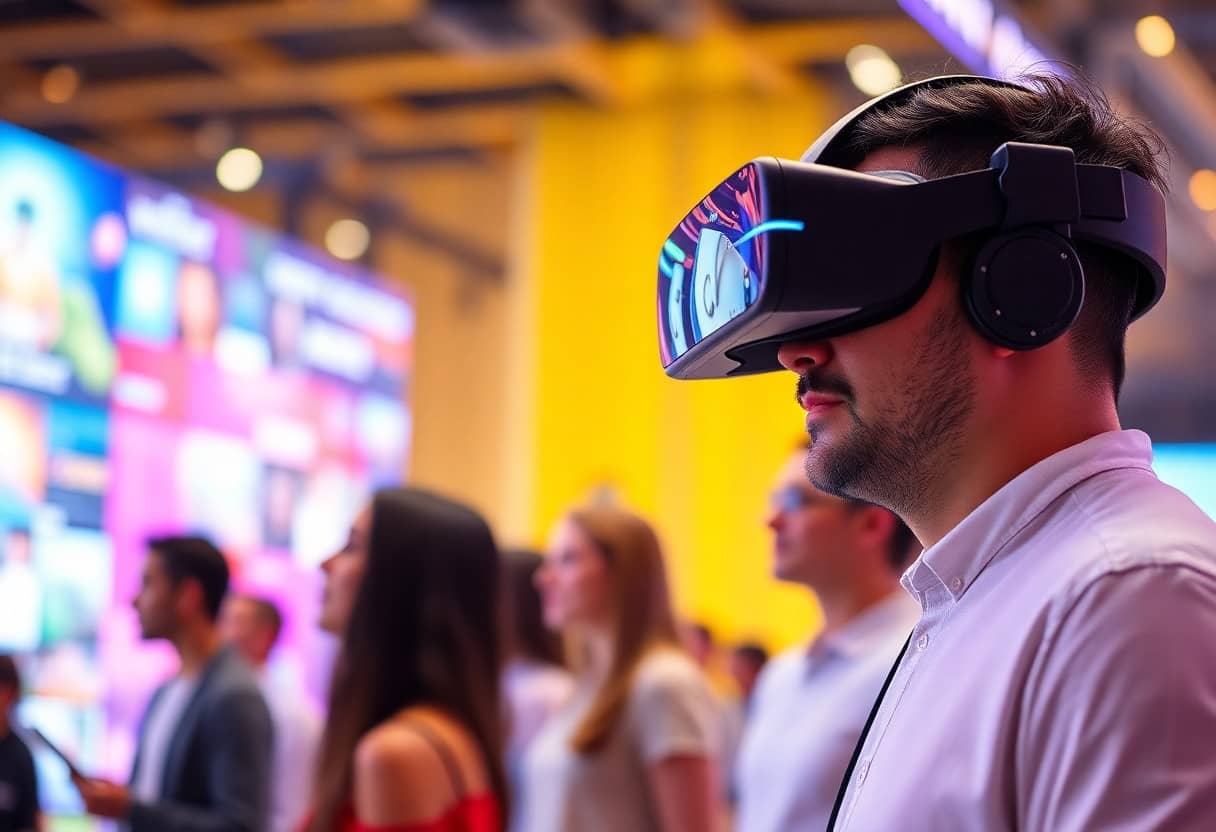
VR websites are not just changing how you consume content; they are transforming the nature of user interaction itself. By immersing you in three-dimensional environments, these sites provide a sense of presence that traditional web experiences cannot match. You walk through virtual storefronts as if you’re physically there, exploring products in ways that 2D images and flat descriptions simply cannot convey. Your engagement deepens as you interact with digital objects that mimic the tactile sensations and spatial awareness you experience in the real world.
Sensory Engagement: Beyond Visuals and Sounds
Tapping into multiple senses, VR websites aim to create a holistic, immersive experience. You’ll feel vibrations and temperature changes through haptic feedback, enhancing your emotional connection to the content. This multi-sensory approach shifts the typical consumer interaction into an experience that evokes emotions, making shopping or exploring more memorable. For instance, a virtual travel site might allow you to not only see a beach but also feel the warmth of the sun and hear the ocean waves, creating a vivid mental picture that prompts engagement.
Real-time Feedback: A New Era of Responsiveness
Engagement is revolutionized with real-time feedback mechanisms in VR environments. As you interact with objects or navigate spaces, the immediate responsiveness enhances your experience, creating a connection that feels like dialogue rather than a monologue. This instant feedback means that brands can tailor experiences based on your actions in real time, allowing for a more personalized encounter that adapts as you explore.
This real-time interaction shifts the power dynamics in consumer experiences. Imagine adjusting the virtual lighting of a room to see how furniture fits with various aesthetics, or changing the color of a car while feeling its texture in your virtual hand. Not only does this immediacy increase satisfaction, but it also fosters loyalty, as users appreciate a system that learns and responds to their preferences instantaneously. Successful brands leveraging this technology, such as IKEA with their VR kitchen planner, demonstrate the efficacy of creating environments tailored to the user, enhancing both their shopping experience and emotional connection to the brand.
The Psychological Impact of VR Experiences
Your mind responds differently to virtual reality experiences compared to traditional media. Engaging with VR creates a sense of immersion, making you feel present in environments that aren’t physically there. This psychological engagement heightens your involvement with the content, enhancing memory retention and brand recall. Studies have shown that users can feel as if they’ve physically visited a location or interacted with a product, leading to a more profound engagement than through standard webpages or advertisements.
The Role of Presence in Consumer Behavior
Presence, the psychological phenomenon where you feel as though you are actually experiencing a virtual environment, significantly influences your purchasing decisions. When you’re immersed in a VR experience, your brain often treats that experience as real, affecting your perceptions of the brand. Research indicates that heightened presence leads to an increased emotional engagement with products, making you more likely to remember them and consider them during your actual purchasing journey.
How VR Shapes Emotional Connections with Brands
Virtual reality has a unique ability to forge emotional connections with brands through immersive storytelling and interactive experiences. When you engage with a brand in a VR environment, you experience narratives that evoke feelings, allowing you to form attachments that standard media fails to achieve. For instance, brands like IKEA utilize VR to let you visualize furniture in your own space, creating desires that are deeply tied to your personal environment and aspirations.
This emotional connection is not just abstract; it has measurable impacts on consumer behavior. A study found that consumers who experienced a brand in VR were 70% more likely to have a positive recall of the brand and were willing to pay more for related products. By allowing you to explore, interact, and feel a part of the narrative, VR helps brands cultivate loyalty and trust, influencing your decision-making processes in favor of those brands when you make purchases.
Strategic Implementations: Businesses Leading the Charge
Numerous companies are embracing VR to redefine consumer interaction, taking the lead in crafting immersive experiences that resonate with audiences. Brands like IKEA have leveraged VR to allow customers to visualize their products in home settings, facilitating informed purchasing decisions. Similarly, Nike has introduced virtual try-ons, enhancing engagement through personalized shopping experiences. The willingness to innovate and adapt has positioned these businesses at the forefront of VR integration, proving that those who invest in cutting-edge technology can reap substantial rewards in customer satisfaction and loyalty.
Successful VR Marketing Campaigns
Campaigns that effectively harness VR technology have yielded impressive results, with marketers reporting significant increases in engagement rates. For instance, the Marriott Hotels’ “VRoom Service” campaign allowed guests to experience exotic destinations through VR headsets, leading to a notable rise in bookings. Additionally, Pepsi’s “Uncle Drew” campaign utilized VR to engage consumers in an interactive basketball experience, generating millions of shares on social media and significantly elevating brand visibility.
Lessons Learned from Early Adopters
Early adopters of VR have provided invaluable insights into the dos and don’ts of engaging consumers through this medium. Their experiences showcase the effectiveness of storytelling and interactivity, emphasizing the need for seamless usability and high-quality visuals to capture attention. Engaging users in immersive narratives not only boosts brand affinity but also leads to a deeper understanding of products. As companies explore virtual realities, the balance of entertainment and utility is paramount to achieving sustained consumer engagement.
Famous brands like Coca-Cola and Adidas have shown that a well-executed VR experience can elevate customer interaction beyond traditional marketing techniques. Through their campaigns, they’ve learned that authenticity plays a vital role in user connection—consumers respond positively to genuine narratives that resonate with their emotions. Additionally, the importance of user feedback cannot be overstated; regularly capturing and integrating consumer insights has proven necessary for refining their VR offerings. By taking a calculated approach and building on early lessons, businesses can effectively harness VR as a tool for creating more meaningful engagement with their audiences.
Challenges and Barriers to Widespread Adoption
As promising as VR websites are, several challenges hinder their widespread adoption. The technology still faces hurdles such as high costs, technical limitations, and consumer access issues, which can deter businesses from fully embracing it. Additionally, many consumers are apprehensive about the necessary equipment, alongside privacy concerns that can diminish their desire to engage in these immersive experiences. A deeper understanding of the role of augmented reality and virtual reality (AR/VR) in customer engagement will shed light on the progression ahead.
Technical Limitations and Consumer Access
Technical limitations, such as the need for powerful hardware and high-speed internet, create significant barriers for potential users. Many consumers are not equipped with VR headsets or may lack the necessary digital literacy to navigate these new platforms effectively. Accessibility is further limited for individuals in rural or economically disadvantaged areas who may not have the resources to engage with VR technology. These factors contribute to a slower adoption rate, despite the compelling benefits of VR experiences.
Privacy Concerns in a Virtual Landscape
Privacy concerns looms large in the digital realm, especially as technologies become more immersive. VR experiences often require extensive data collection, including personal preferences and behavioral patterns, which can raise red flags for consumers. The potential misuse of this data, combined with fears of surveillance, contributes to hesitance towards embracing VR websites. Trust-building through transparent data handling practices, along with robust security measures, will be necessary for mitigating these concerns and fostering a safe virtual environment.
Privacy in a VR landscape isn’t just about protecting data; it’s about instilling confidence in users. Issues surrounding consent, data ownership, and potential breaches highlight the need for clear communication from businesses about how consumer data is managed and utilized. With scandals surrounding data breaches in various industries, consumers are rightfully skeptical and will need reassurances that their virtual interactions are secure. Adopting strict protocols for data protection and being upfront about their policies will help businesses create a safe space for users to engage without fear.
To wrap up
Summing up, the advent of VR websites could significantly transform how you engage with consumers, offering immersive experiences that traditional platforms simply can’t match. By enabling your audience to interact with products in a virtual space, you can foster deeper connections and enhance their overall experience. As you explore this innovative approach, you’ll not only stand out in a crowded market but also pave the way for greater customer loyalty and satisfaction. Embracing VR technology might just be the game-changer your business needs in the evolving landscape of consumer engagement.
FAQ
Q: How can VR websites enhance the shopping experience for consumers?
A: VR websites have the potential to revolutionize the shopping experience by creating immersive environments where consumers can interact with products in ways that traditional websites cannot offer. For instance, users can visualize how furniture would look in their living space or try on clothing virtually. This tactile engagement not only aids in decision-making but also creates a more entertaining and memorable experience that can lead to increased customer satisfaction and loyalty.
Q: What impact could VR websites have on brand engagement and marketing strategies?
A: The integration of VR into websites can significantly change the way brands engage with their audience. By offering unique and interactive experiences, brands can capture attention and create a deeper emotional connection with consumers. For example, a virtual tour of a brand’s factory or the behind-the-scenes of a product’s design can foster transparency and trust. Furthermore, these experiences can be shared on social media, amplifying brand visibility and potentially attracting a broader audience.
Q: Are there any challenges associated with the implementation of VR websites for businesses?
A: Yes, there are several challenges that businesses may face when implementing VR websites. Technical issues such as website compatibility across different devices, bandwidth limitations, and the need for high-quality graphics can pose significant hurdles. Additionally, the development costs associated with creating tailored VR content can be substantial. Businesses also need to consider the learning curve for users unfamiliar with VR technology, hence effective user education and support will be necessary for successful adoption.
