
Most consumers today are witnessing a significant shift in how retail experiences unfold, as virtual reality (VR) websites emerge as powerful players in this transformation. As you navigate the ever-evolving landscape of online shopping, understanding the impact of VR technologies becomes necessary to optimize your purchasing journey. This blog post explores into how VR websites are shaping the future of retail, enhancing user engagement, and creating immersive shopping environments that could redefine the way you interact with brands.
The Technological Framework: VR’s Role in Retail
The technological underpinnings of virtual reality (VR) in retail are transforming how you engage with brands and products. By leveraging advanced graphics rendering, 3D modeling, and spatial audio, VR creates a hyper-realistic shopping atmosphere that mimics physical stores. This immersive framework allows for endless creativity in display layouts and product interaction, paving the way for unparalleled consumer experiences. Major retailers are already exploring these technologies to enhance your shopping journey by bringing their products to life in a fascinating and engaging way.
Immersive Shopping Experiences: How VR Transforms Consumer Engagement
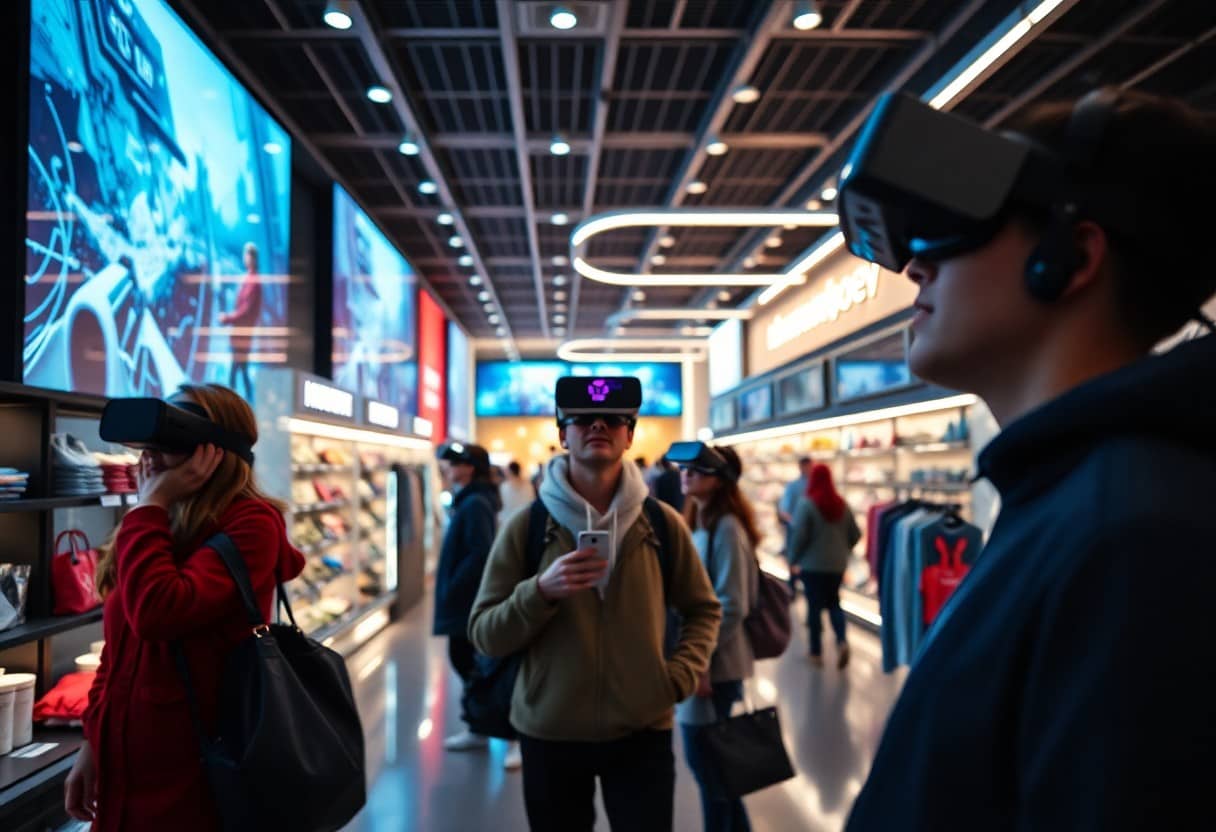
VR technology opens up a new realm of retail interaction, making shopping more than just a transactional experience. You can stroll through virtual aisles, try on clothing without ever stepping into a fitting room, and even visualize how furniture fits into your home. These immersive environments allow for active participation, not just passively viewing products, facilitating deeper emotional connections and higher purchase considerations.
The Infrastructure Behind VR Websites: Platforms and Tools Driving Innovation
Creating a seamless VR shopping experience requires sophisticated platforms and tools designed for optimal functionality. Companies like Unity and Unreal Engine provide the development frameworks needed to create immersive environments, while cloud computing services ensure these experiences are accessible across a wide range of devices. Among the tools advancing VR retail are software integrations for e-commerce platforms, enabling real-time inventory updates and analytics to drive personalized user experiences tailored to your preferences.
Innovative VR platforms, such as Shopify VR and Oculus for Business, cater specifically to retail environments, enhancing the interactive shopping journey. These platforms allow brands to develop custom virtual storefronts that reflect their unique identities. Additionally, tools like WebXR enable web-based VR experiences without the need for dedicated apps, making it easier for you to access and engage with a broad array of retail offerings instantly. As these technologies evolve, the potential for captivating and efficient shopping is set to redefine the retail landscape.
Behavioral Economics Meets Virtual Reality
Virtual reality does more than create immersive shopping environments; it merges seamlessly with behavioral economics principles to shape consumer experiences. By leveraging the psychological triggers that influence buying habits, VR technology can manipulate perceptions of value and urgency, making you more inclined to make impulsive decisions. You may find yourself swayed by virtual scarcity or limited-time offers, prompting quicker purchasing than you would typically consider in a standard environment.
Psychological Impact: How VR Influences Consumer Decision-Making
Your shopping experience in virtual reality can be profoundly influenced by the way environments are designed. Features like 360-degree views and interactive elements evoke emotions that alter decision-making processes. This sensory engagement can intensify feelings of ownership before you purchase, leading to an increased likelihood of buying products. Such emotional ties created within VR make you more susceptible to the allure of promotions, thus reshaping traditional buyer pathways.
Data Analytics in VR: Understanding Customer Behavior to Enhance Experience
Data analytics plays a pivotal role in VR environments by tracking your interactions and preferences, ultimately refining your shopping experience. With advanced algorithms, VR platforms collect real-time data to discern patterns in user behavior, which can empower businesses to tailor offerings to your individual needs.
Exploring how data analytics is utilized in virtual reality reveals its potential to transform the retail experience. By capturing metrics such as gaze direction, time spent on specific items, and even emotional responses, retailers gain invaluable insights into your preferences and behaviors. For instance, if you linger on a particular category of products, personalized recommendations can be generated in real-time. This not only enhances your shopping journey but also boosts conversion rates for retailers, creating a win-win scenario that drives revenue while catering to your tastes.
Market Dynamics: The Shift from Physical to Virtual Stores
The retail landscape is experiencing a dramatic shift as consumers increasingly favor virtual storefronts over traditional physical locations. As mobility trends and consumer preferences evolve, businesses are realizing the need to adapt to this new norm. The emergence of VR technology has redefined these market dynamics, enabling immersive experiences that enhance customer engagement. As highlighted in The new realities of VR and retail, brands that embrace VR are better positioned to captivate their audiences and thrive amid ongoing changes.
Retail Trends Post-Pandemic: The Accelerated Adoption of VR
The COVID-19 pandemic significantly accelerated the adoption of VR technologies in retail, shifting consumer behavior towards digital experiences. Brands seized the opportunity to offer virtual showrooms and try-on solutions, allowing customers to visualize products like never before. With increased reliance on online shopping, VR became a crucial tool for enhancing user engagement, providing interactive experiences that resonate with today’s customers and setting new industry standards.
Competitive Landscape: How VR Websites Create New Market Opportunities
VR websites have emerged as a game changer in retail, offering unique market opportunities that were previously unimaginable. By providing immersive shopping experiences, you can attract a broad range of customers who seek novelty and convenience. Additionally, businesses utilizing VR can present their products in multidimensional formats, enabling consumers to virtually interact with items. This not only strengthens brand loyalty but also allows for personalized shopping experiences that cater directly to your preferences and needs.
Diving deeper into the competitive landscape, VR websites facilitate tailored experiences that traditional retail cannot match. Brands can capitalize on this by integrating AI and data analytics to track user behavior and preferences, allowing for hyper-personalization of offerings. For instance, a fashion retailer could create a virtual boutique where you can mix and match outfits in real-time based on your unique style. The result is a fusion of entertainment and shopping, generating increased customer satisfaction and retention, and ultimately providing a significant edge over competitors stuck in traditional retail paradigms.
Ethical Considerations: The Moral Implications of Virtual Gatekeeping
Virtual gatekeeping in retail raises significant ethical questions that require careful examination. As businesses increasingly adopt VR technologies, the responsibilities they hold in shaping consumer experiences come to the forefront. You must consider how these digital environments can manipulate perceptions, prioritize certain narratives, or cater to specific demographics at the expense of others. Unaddressed, these moral implications might lead to a retail landscape that reinforces existing social inequalities rather than promoting inclusivity and fairness.
Privacy and Data Security: Risks Associated with VR Retail Environments
Your personal data is at a heightened risk within VR retail spaces, where companies gather extensive information to enhance user experiences. This data collection lacks transparency, raising concerns about how your information is stored, used, and shared. There’s never been a more pressing need for robust privacy policies and data security measures to protect your sensitive information from breaches or misuse.
Inclusivity vs. Exclusivity: Ensuring Fair Access to Virtual Spaces
Access to VR retail environments should be equitable, yet many factors create barriers that can alienate particular groups. Socioeconomic status, geographical location, and technology adoption can affect an individual’s ability to engage fully in these virtual spaces. Moreover, without thoughtful design, the immersive experiences can inadvertently favor those who are already familiar with technology or possess specific skills, leaving marginalized populations behind.
To ensure fair access to virtual spaces, developers and retailers need to actively consider diverse user needs during the design process. This means creating VR environments that are not only visually appealing but also user-friendly for individuals of varying tech-savviness, including those historically underserved by retail innovations. Initiatives like providing robust tutorials, diverse language options, or alternative accessibility features can make a significant difference in leveling the playing field. You should advocate for such measures and push companies to embrace a more inclusive approach, ultimately leading to a richer, more equitable retail future.
Future of Shopping: Envisioning the VR Revolution
The future of shopping appears poised for a dramatic transformation, as virtual reality (VR) emerges as a foundational element of the retail landscape. You might envision storefronts where you can walk through lifelike 3D environments, browse products, and even try them on virtually, all from the comfort of your home. The convenience and immersive engagement VR offers could seamlessly bridge the gap between online shopping and physical retail, fundamentally reshaping consumer behavior and expectations.
Predictions for Retail Evolution: What Experts Are Saying
Experts predict that VR will create hyper-personalized shopping experiences by integrating artificial intelligence and data analytics. You can expect retailers to leverage insights from your past purchases and browsing patterns to present curated product recommendations in an immersive VR environment. This tailored shopping experience may enhance customer loyalty and drive sales, as brands provide a level of engagement previously thought impossible in traditional retail settings.
Potential Challenges: Technological Hurdles and Market Resistance
Several technological hurdles and market resistances could slow the rise of VR in retail. You might face limitations such as the need for expensive hardware, complicated software implementations, and the varying levels of consumer familiarity with VR technology, which could impede widespread adoption.
The adoption of VR in retail isn’t without obstacles. High costs of development and the need for robust, user-friendly hardware can deter smaller retailers from entering this space. Additionally, consumer apprehension towards adopting new technologies can be a significant barrier. Studies indicate that nearly 60% of consumers are hesitant to embrace VR due to concerns about privacy, data security, and the potential for a steep learning curve. Companies must address these resistance factors and demonstrate clear value to encourage broader acceptance among consumers, ensuring that the VR retail revolution becomes accessible to all. By tackling these challenges head-on, the path to an omniscient VR-driven shopping experience can become clearer and more achievable.
Conclusion
As a reminder, VR websites are poised to reshape your retail experience by seamlessly integrating immersive technology into online shopping. These platforms can provide you with personalized, interactive environments that cater to your preferences and enhance your decision-making process. With evolving capabilities and growing consumer acceptance, you’ll likely find VR a pivotal aspect of future retail strategies. Embracing this technology could give you a competitive edge, transforming how you engage with products and brands in the digital space.
Q: How do VR websites enhance the retail experience for consumers?
A: VR websites provide a unique, immersive shopping environment that allows consumers to explore products in a three-dimensional space. This technology enables users to interact with items as if they were physically in a store, which can improve their understanding of products and lead to more informed purchasing decisions. Additionally, VR experiences can simulate real-world scenarios, such as trying on clothing or visualizing furniture in a home setting, making the online shopping experience more engaging and realistic.
Q: What challenges do retailers face when integrating VR websites into their business model?
A: Retailers encounter several challenges when adopting VR technologies, including high development costs, the need for specialized knowledge to create and maintain VR platforms, and potential accessibility issues for consumers without the required hardware. Furthermore, there is the question of how to effectively drive traffic to VR websites and ensure that they reach a broad audience. Retailers must also consider the necessity of user-friendly interfaces to accommodate all levels of tech-savvy consumers.
Q: Will VR websites replace traditional shopping experiences in the near future?
A: While VR websites offer innovative ways to shop, they are unlikely to completely replace traditional retail experiences in the immediate future. Many consumers still value the tactile experience of physically browsing and trying products before purchase. It’s more likely that VR will complement existing retail methods, allowing for hybrid shopping experiences where consumers can choose between online VR interactions and in-person visits. The future retail landscape may create a balance, leveraging the advantages of both VR technology and traditional shopping methods.
